
 Cart
Healthy pastures begin with time to grow.
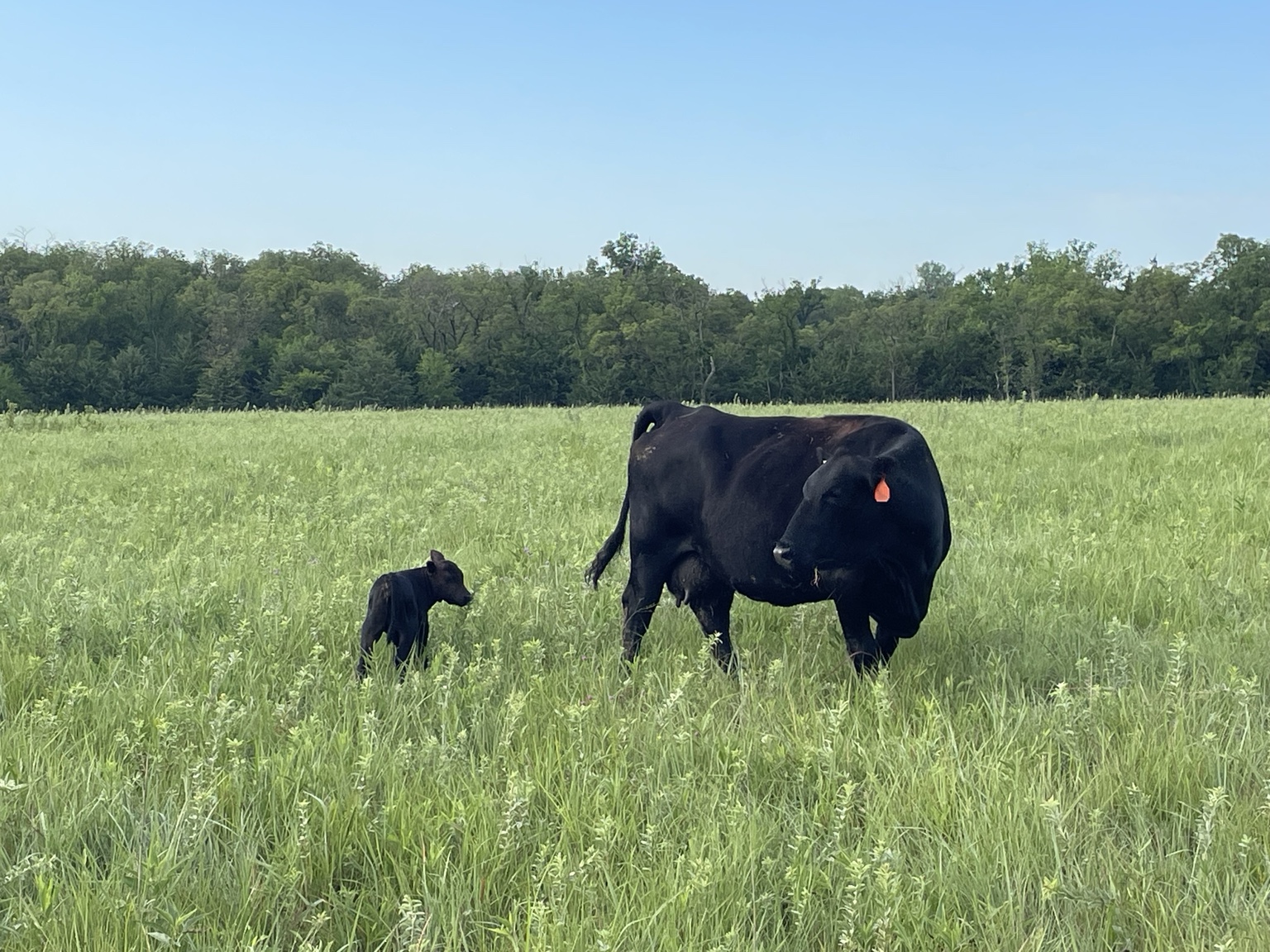
We move cattle and sheep through pasture in separate groups, giving animals access to forage and allowing grazed areas time to recover. We decide when to move the animals by watching how the pasture is growing, the weather, and what the animals need.
Move, rest, and return.
Our grazing approach gives us a way to care for livestock while paying attention to pasture health.
Move animals to forage.
We move cattle and sheep in separate groups to pastures with actively growing, leafy forage. We look for enough growth to provide a good bite while leaving plant cover for regrowth. We also watch soil moisture, since wet ground can be damaged by hoof traffic. Warm-season prairie and cool-season brome grow at different times, so timing varies by field.
Return nutrients to the soil.
Manure returns nutrients to the soil, and leftover plant material adds organic matter. As animals move across the prairie, they press some of that plant material against the soil, where it can break down and support soil life. Together, these processes help build soil fertility and the soil structure that allows air and water to move through.
Give plants time to regrow.
After grazing, we let an area rest until plants have grown enough leafy forage for another pass. Recovery may take longer during hot, dry stretches and can happen sooner when moisture and growing conditions support new growth.
Healthy Pastures, Healthy Animals
See how we move livestock to fresh pasture, give paddocks time to rest, and care for our animals through the seasons. The guide includes a daily pasture checklist and a simple grazing record.
Get the free guide by emailExplore all 8 free farm guides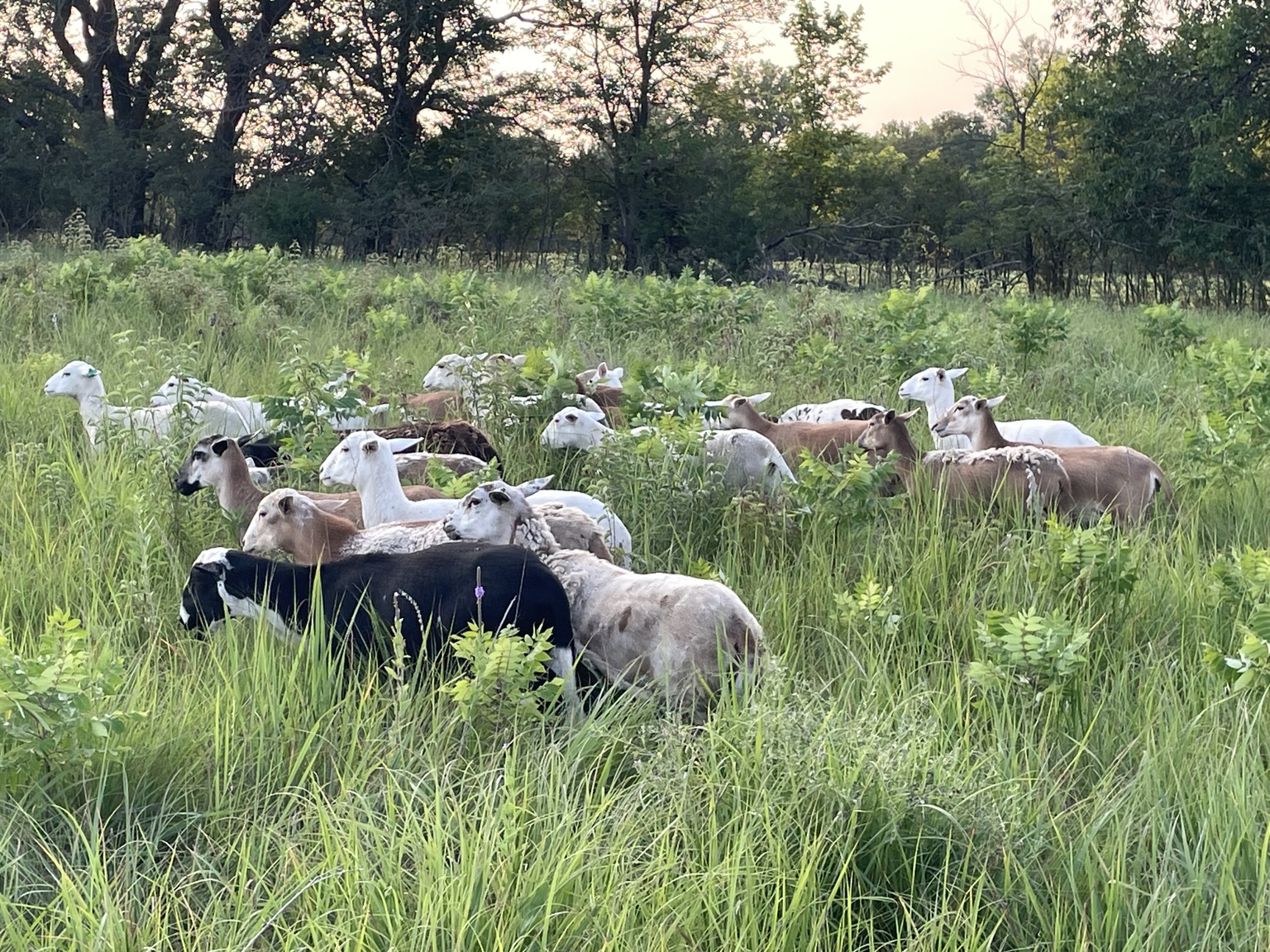
Let the land guide the pace.
Pasture growth changes with the weather and the time of year. We watch the forage and adjust our rotation so plants have a chance to recover between grazing periods.
Cattle and sheep are managed in separate groups today. We plan each move around the animals and the pasture in front of them.
Healthy animals. Living soil. Resilient pasture.
Small decisions in the pasture add up over the course of a season.
Nutritious forage for animals
Moving animals to fresh pasture gives them access to growing plants. Planned rest between grazing can also help reduce parasite exposure and support animal well-being.
Roots and plant cover
Allowing forage to recover supports continued root growth and keeps living plants on the soil, helping the pasture remain productive.
Nutrients cycled back
Grazing animals return nutrients through manure, while plant material adds organic matter to the soil.
Care that adapts
Rainfall, temperature, and forage growth all affect pasture decisions. We keep learning and adjust our grazing as conditions change.
Our grazing follows the seasons.
These are the usual rhythms on our farm. Weather and pasture conditions shape the timing each year.
Begin grazing
We typically begin grazing in April or May, as pasture growth and conditions allow.
Rotate and recover
We move through the grazing season, watching forage growth and giving pastures rest between grazing periods.
Shift to hay
As pasture growth slows, we typically begin feeding hay in late November or December.
The animals behind the food we raise.
Cattle, sheep, pigs, and poultry each have a place on our Kansas farm.
Cattle
Our cattle are grass-fed and grass-finished, with rotational grazing at the heart of how we care for the herd and pasture.
About our beefSheep
Our pasture-raised flock is part of the farm’s grazing story. We offer whole and half lamb shares around scheduled processing dates.
About our lambPigs
Our pasture-raised pigs have room to root, roam, and forage. Learn how whole and half pork shares work.
About our porkPoultry
We raise meat chickens on pasture in seasonal batches. Whole birds are available around scheduled farm-pickup windows.
About our poultryGet to know the food we raise.
See what’s available from our farm or learn more about the people and land behind it.
Check current availability